
Muffled hearing can impact every facet of your life, leaving you feeling confused and isolated from the world around you. While the fear of permanent hearing damage is a common first response, the true culprit is frequently a simple collection of canal debris.
Understanding the difference between cerumen blockage vs. auditory loss can help you know when a quick fix is possible and when it’s time to seek a hearing assessment. There is no need to feel overwhelmed if auditory inputs seem dampened. An exam can help you get to the bottom of it, but in the meantime, here’s what you need to know about earwax buildup (also known as cerumen impaction) vs. permanent impairment.
Identifying the Symptoms of Earwax Blockage
Your ears produce wax as a natural defense process to maintain health and keep contaminants away from the eardrum. The trouble starts when this material collects to the level of a physical obstruction.
Typical indicators of an impaction involve:
- Dampened sound quality that occurs gradually or suddenly
- The sense that there is a physical plug in the ear
- Physical sensitivity or focused aching in the ear
- Persistent humming or ringing sounds
- Instances of sharper hearing after a yawn or chewing
A hallmark of blockage-based sound fluctuations is imbalance, usually impacting one side over the other. Fortunately, extracting the blockage generally resolves the symptoms immediately.
How Hearing Impairment Typically Presents
Unlike a brief obstruction, nerve-based hearing impairment typically progresses steadily over years and is not fixed by clearing the canal.
Symptoms of actual auditory impairment may include:
- Challenges with word clarity in busy or loud locations
- Often requiring clarification during normal dialogue
- Adjusting media volumes to a level that people find too loud
- Difficulty hearing high-frequency sounds
- Bilateral hearing changes that impact both ear canals simultaneously
Contrasted with earwax buildup, hearing loss doesn’t typically induce a feeling of obstruction or fullness.
Quick Guide: Earwax vs. Hearing Loss
By looking at the onset and particular symptoms, you can frequently determine which condition is impacting you:
- Progression: Blockages can feel instant, while hearing loss is almost always slow
- Permanence: Obstructions are a quick fix, while nerve loss needs ongoing care
- Sensations: Pressure and discomfort suggest wax; word intelligibility challenges indicate loss
- Asymmetry: Cerumen often affects a single ear; hearing loss commonly impacts each
Why Clinical Intervention is Necessary
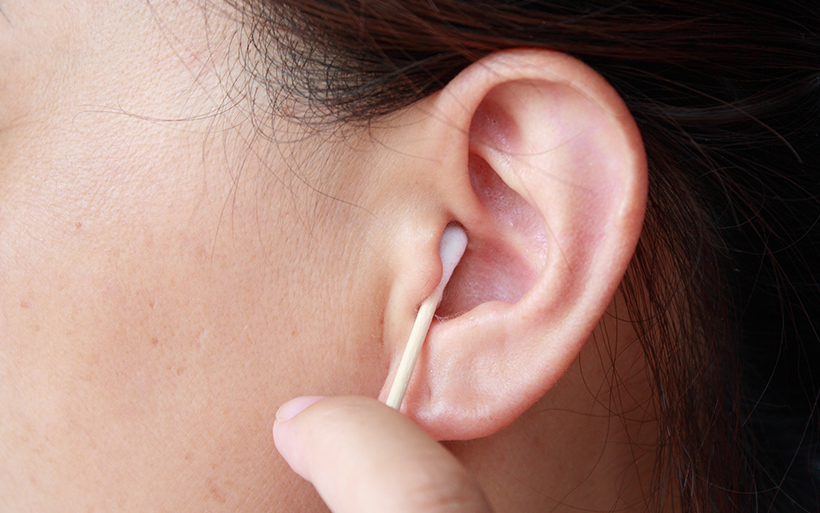
Numerous people make the error of trying to extract a suspected blockage manually using probes or household items. Unfortunately, these can push wax further in and exacerbate the problem.
Based on data from the National Library of Medicine, placing objects into the auditory canal increases the risk of blockage and trauma.
Similarly, neglecting early auditory decline can postpone treatment that helps in preserving communication, safety, and quality of life.
The Critical Nature of a Professional Ear Exam
A brief professional exam is the primary way to verify if wax is actually the cause of your muffled auditory issues.
When cerumen is the issue, clinical irrigation or manual removal delivers immediate relief.
Should the ear canal be unobstructed but auditory struggles persist, an audiogram can evaluate if hearing loss is present and identify its category and degree.
The NIDCD recommends prompt assessment anytime shifts in auditory function interfere with your daily routine.
Finding the Correct Path for Better Sound Quality
Feeling like auditory signals are dull may not necessarily signify a lasting change.
Frequently, the issue is simply a collection of cerumen that can be easily resolved.
Obtaining professional care guarantees you find the exact cause and the proper solution for your hearing needs.
Ultimately, an audiology exam is the only reliable way to differentiate between a temporary obstruction and a permanent shift.
Finding answers early can avert pointless stress and ensure you receive the right treatment at the optimal time.
If you’ve noticed a change in your hearing, call our clinic for a professional assessment today.