
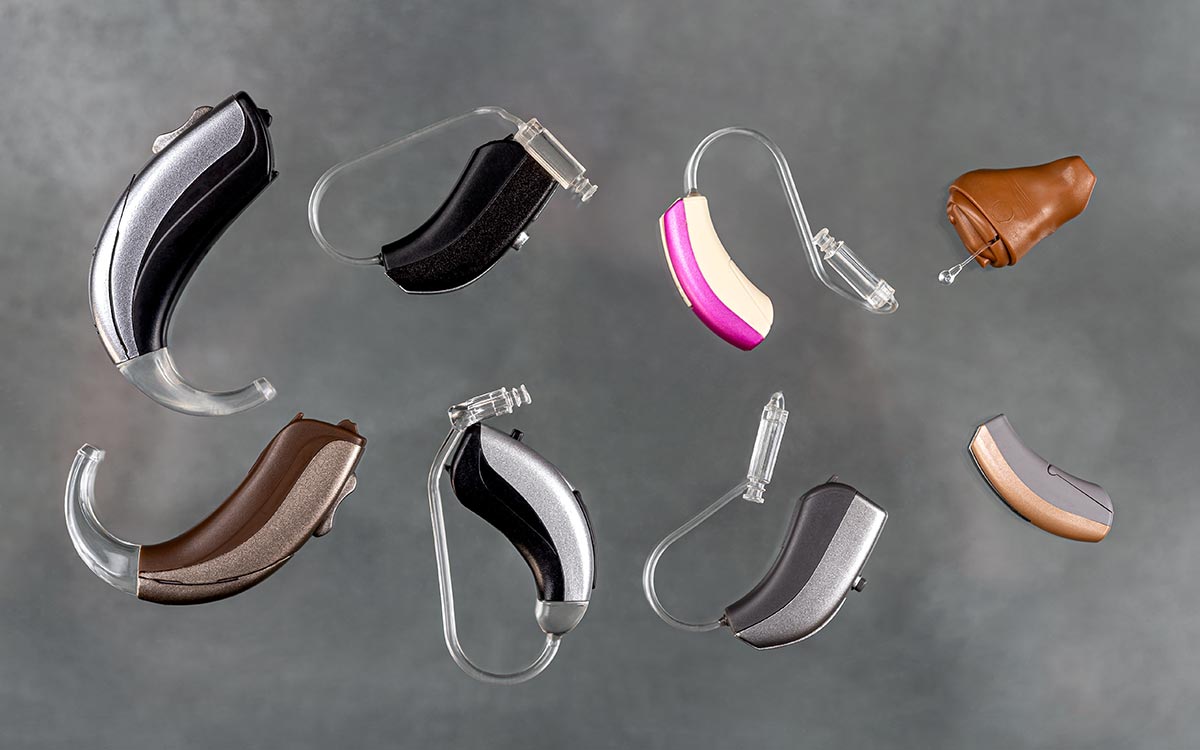
Choosing a hearing aid can feel overwhelming, especially when today’s units come in so many styles, sizes, and technology levels. But regardless of your needs, there’s a hearing solution for every lifestyle, preference, and degree of hearing loss. The key is simply choosing the one that fits you best.
By learning about the distinctions between various hearing aid models, you can move forward with greater confidence and knowledge. We are going to analyze the primary styles available today to help you understand what sets each option apart.
The ITC (In-the-Canal) Style Detailed
The Meaning:
ITC hearing aids sit partly in the ear canal, with an inconspicuous portion visible at the outer ear.
The Advantages:
- Less apparent than conventional full-size models
- Individualized molding ensures long-term wearing comfort
- Appropriate for mild to medium hearing loss
ITC devices offer an excellent balance between visibility and functionality, making them a popular choice for first-time users.
IIC (Invisible-in-Canal) Technology
The Idea:
IIC models are the most miniature custom-fitted auditory solutions you can choose. This style fits deep in the ear for an entirely covert appearance.
Primary Incentives:
- Optimal aesthetic discretion
- Pure sound quality due to mic placement
- A feather-light design makes them easy to wear all day
Because of their tiny size, IIC devices typically work best for mild to moderate hearing loss and for those who prefer a nearly invisible option.
In-the-Ear (ITE) Hearing Aids
What they represent:
These models fill either the complete or bottom half of the outer ear bowl. Every unit is specifically personalized to match your ear’s unique shape.
Why users prefer this style:
- The bigger size makes it feasible to include more internal components and longer-lasting batteries
- The physical size is simpler to hold and adjust for users with fine motor concerns
- Powerful enough to provide enough power for extreme hearing needs while remaining in-the-ear
Many patients pick ITE devices because they offer a streamlined, self-contained design that doesn’t hook over the ear.
Traditional Behind-the-Ear (BTE) Models
What they represent:
BTE hearing aids rest securely behind the ear. Audio travels through a specialized tubing or custom-fit mold into the ear opening.
Common Reasons:
- Very flexible and durable
- Useful for almost every level of hearing impairment
- The size provides plenty of space for the latest connectivity features and rechargeable hardware
If you need a robust hearing aid that is simple to operate and offers high-power output, the BTE style is ideal.
Modern RIC (Receiver-in-Canal) Devices
Design Specifications:
While they match BTE units, RIC aids place the speaker directly in the canal for better sound delivery.
Why people select them:
- Minimizes the “plugged up” feeling for more pure hearing
- The ultra-thin design is equally light and nearly effortless to wear
- RIC technology is highly flexible for various different audiogram profiles.
RIC units are extremely common currently because they balance appearance with powerful functionality.
Long-Term “Set and Forget” Hearing Aids
Operational Details:
These devices are inserted far in the ear canal by an audiology professional and can stay in place for several weeks at a time.
User Motivations:
- Zero daily insertion or removal
- Offers a 100% covert solution for hearing health
- You can go about your whole life—including sports and rest—while wearing them
If you want a hearing solution that requires zero daily thought, the extended-wear style is perfect.
Connected Hearing Solutions
Functionality:
These are modern devices fitted with radio technology to sync with your personal electronics and televisions.
Why go wireless:
- Turn your hearing aids into wireless headphones for all your favorite audio
- Provides a discreet method to manage your hearing environment from your mobile screen
- Provides the ultimate in ease for those who use smartphones regularly
This wireless technology is found in most modern behind-the-ear and in-the-canal models.
Understanding Middle-Ear Implant Systems
What they represent:
This technology involves an operative procedure to place a device that physically stimulates the bones of the middle ear.
Why patients pick them:
- Option for people who cannot use traditional hearing aids
- Solves the problem of ear discomfort caused by regular hearing aids
A complete consultation with a specialist professional is necessary before considering an auditory implant.
Selecting Your Ideal Auditory Option
Selecting an instrument is an individualized process that takes into account your hearing severity, lifestyle habits, and visual preferences. An expert care professional can guide you through your options, answer questions, and help you experience how different devices look and feel.
Take the initiative for your hearing health by booking a professional evaluation today. It is the most significant move you can make toward a more vibrant and confident life.
Sources:
https://www.mayoclinic.org/diseases-conditions/hearing-loss/in-depth/hearing-aids/art-
20044116
https://www.hearinglife.com/hearing-aids/types
https://www.nidcd.nih.gov/health/hearing-aids