
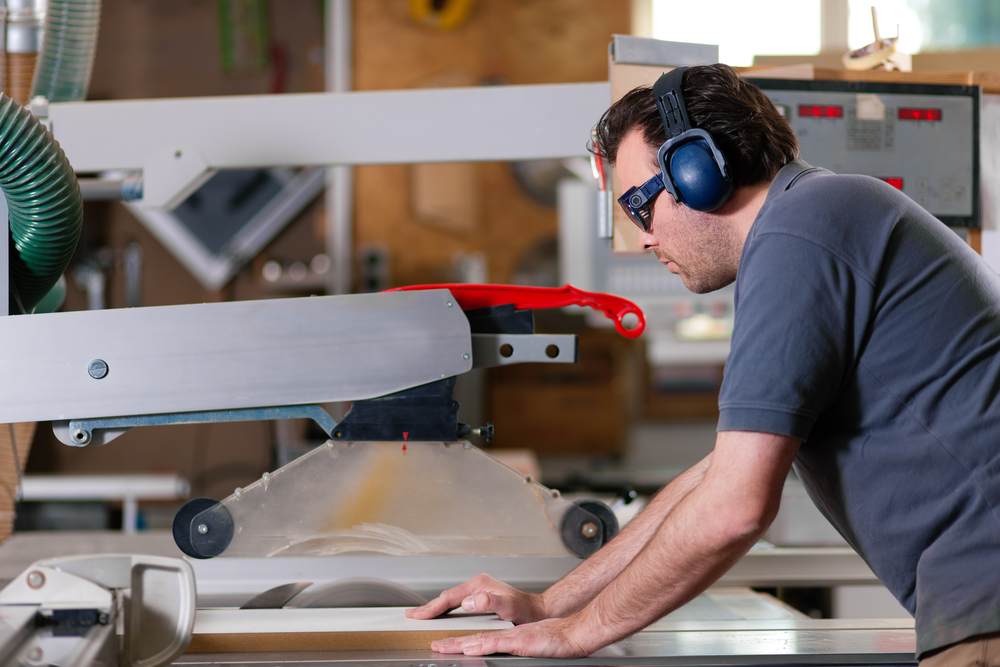
Working a lengthy time around loud noise can severely impact your hearing, especially when sound volume surpasses safe limits. It is essential to shield your ears, not just to prevent hearing damage, but also to help you concentrate in loud environments. The question then is, how do you decide the appropriate level of protection needed for your specific situation?
Interpreting noise volume and its ramifications
The harm caused by noise exposure is a combination of both its volume and the duration spent in that environment. We use decibels—a unit that quantifies sound volume—as the best metric for comprehending noise levels. Sounds at 85 dB and beyond could cause hearing damage, especially when exposure is prolonged.
To provide a reference, 85 dB is similar to the sound of urban traffic when perceived from inside a vehicle. Even though this might not sound overly intense, eight hours of uninterrupted exposure at this level can initiate damage to your hearing. As the sound gets louder, the period of time you can be exposed safely decreases:
- Exposure to 90 dB (the sound of a Lawnmower) for more than 4 hours may be damaging.
- Exposure to 100 dB (Power tools) must be restricted to a maximum of 60 minutes.
- 110 dB (Leaf blower): Just 15 minutes of exposure can cause damage.
- Your hearing can be harmed by any exposure to a 120 dB sound (Rock concert).
- 140 dB (Jet engine): Immediate damage and pain can occur.
How to detect unsafe noise situations
When you are frequently around noise at 85 dB or higher, hearing protection becomes a critical requirement. Such protection is especially important in industrial settings, including plants and building areas, or any places where excessive noise is produced by devices, gear, or machinery.
Beyond the work setting, situations like recreational shooting sports, using leaf blowers, or going to shows are cases where you may gain an advantage from using hearing protection due to the hazardous noise exposure.
Using NRR to choose the appropriate hearing protection
The efficacy of hearing protection is evaluated by its Noise Reduction Rating (NRR). Expressed in decibels, this figure tells you the amount of sound reduction the protective device is capable of blocking. The larger the NRR, the greater the protection against noise. For illustration, earplugs with an NRR of 30 dB can decrease an 85 dB noise level to 55 dB, keeping you comfortably within safe exposure thresholds.
When deciding on your protection, you should assess the actual noise intensity you are exposed to and ensure the device provides the required blockage to keep the sound below 85 dB.
The vital function of comfort in continuous protection
Comfort is a factor of equal importance to the NRR, as it strongly impacts whether you will wear the protection consistently for the long term. If hearing protection feels ill-fitting or awkward, you may be tempted to remove it—leaving your ears exposed to hazardous noise.
The more comfortable the protector, the higher the chance you are to use it continuously, which significantly reduces the danger of occasional exposure. If, for instance, earmuffs feel ill-fitting or weigh too much, you are inclined to take them off intermittently, resulting in hazardous noise exposure.
Different varieties of hearing protection available
A variety of hearing protection devices are on offer, all with their own set of pros and cons:
- Inserted into the ear canal, Foam Earplugs provide superb noise reduction. They are disposable and light, yet some individuals may find them uncomfortable.
- Pre-Molded Earplugs are positioned slightly outside the ear canal; they are reusable—a more sustainable choice—and are also easier to handle than foam earplugs.
- Earmuffs, which cover the entire ear, are well-suited for environments with changing noise levels due to how easy they are to take on and off, but they can be heavy or hot during prolonged use.
The optimal type of protection to select is determined by your own comfort and the requirements of the setting you are in. By way of illustration, a construction worker might select earmuffs for their simplicity, while someone working in a factory may prefer earplugs for uninterrupted use.
The importance of constant protection
The most reliably effective hearing protection is the one you’ll wear consistently. Even a short period without protection can lead to lasting consequences on your auditory health. Consequently, it is necessary to discover a product that provides the optimal balance of protection, comfort, and convenience.
Ensure your long-term hearing health
Even though noise is an unavoidable part of life, correct hearing protection allows you to secure your hearing without sacrificing the sounds around you.
Call us now to review your potential for hearing loss from noise and the most effective ways to protect your hearing.